

Aboriginal “code names” explained.
In the advent of modern day politics we keep hearing “hereditary names” being used to shield lobbyist aboriginals from being identified by their real names so they could carry on in society unattached from their actions. Historical speaking aboriginal names were used as a method of respecting those who lived before them, only ever to be used in the feast hall, along with the blankets that represented those names. (A full explanation can be found within the Delgamuukw v. British Columbia transcripts.
These same code name abusers are often heavily funded by “American Influence Dollars” as the motivation for aboriginals seeking a get rich quick scheme.
These aboriginal “code names” are being abused, to hide the perpetrator from being accountable for their actions. Imagine talking about threat from Chief Sitting Bull in a sentence, then replacing the name Chief Sitting Bull with the name Archie Pete. It would take all the power out of using that name, as it now exposes the human was simply just that, someone we know, someone we went to school with maybe a dropout, maybe a carpenter. The point of using this names completely out of context by which those names were given, gives them media power. They become someone respected and feared, when in fact they are as fictitious as The Wizard of Oz.
“In the advent of modern-day politics, the political landscape has been transformed by digital technology, heightened ideological polarization, and a shift toward “post-truth” politics, where misinformation often shapes public perception. Politics has become increasingly salient in daily life, with social media facilitating both mass mobilization and the rapid spread of conflicting information.”
The entire charade of using aboriginal names s all about granting power to someone who has none.
The media going way back to the 50’s and 60’s were so fascinated by these Indian names they used them in portraits, sketches or drawings of these people.
To fully understand how modern day radical environmentalists work, one must understand the logic of using those names. Imagine “The Wizard of Oz”, bear with me here.

Everyone feared The Wizard of Oz until it was revealed that he was just as human as you or I are.
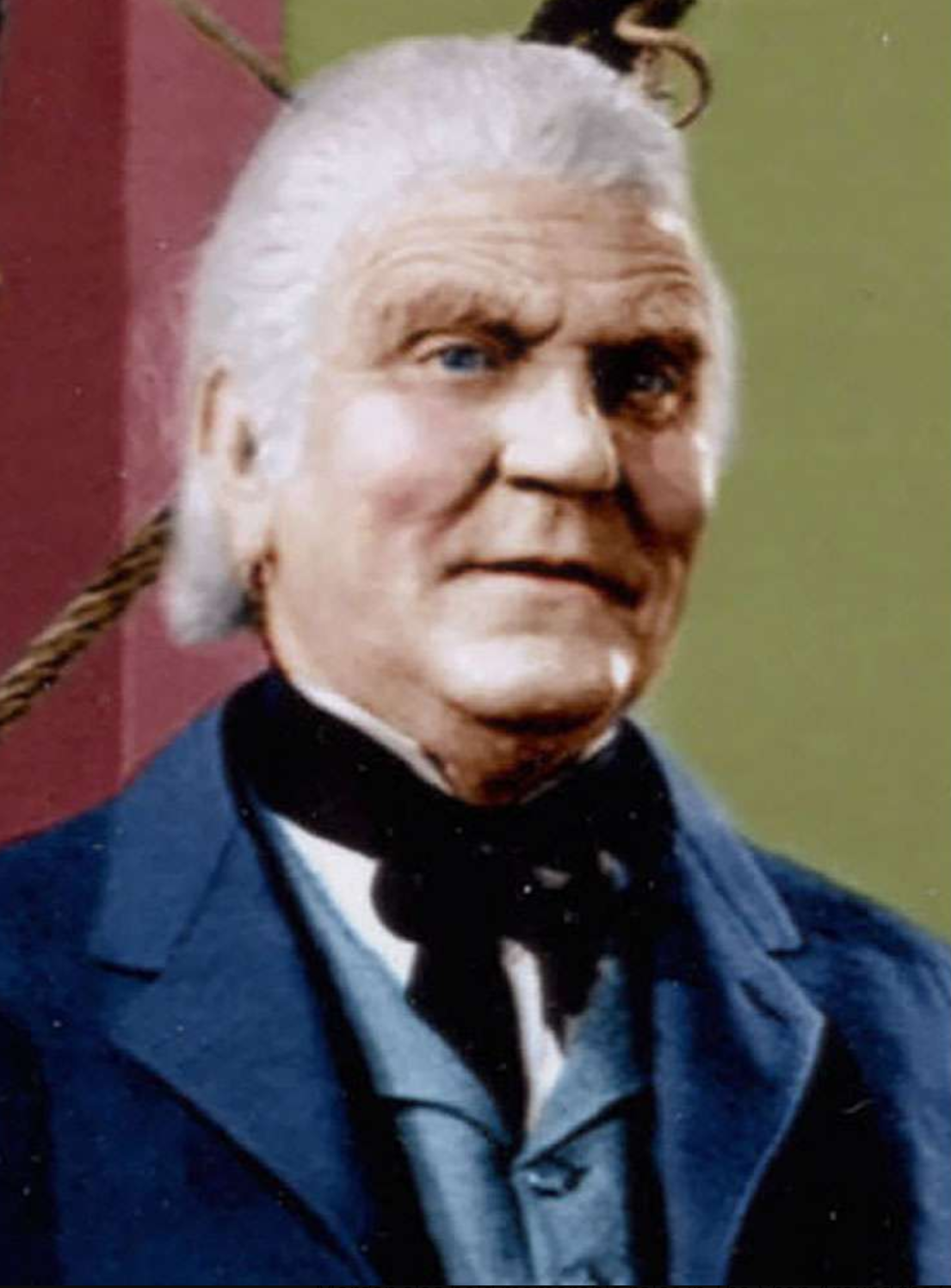
Having spent almost our entire lives living with and among local aboriginals, having read almost every book ever written about them and their history, including reading the entire Delgamuukw case (1997) (also known as Delgamuukw v. British Columbia) we were able to pick up a few facts along the way. The first is there were no such thing as Wet’suwet’en, that name was created for the Delgamuukw trial. The Gitxsan did exist by that name going back to pre 60’s. It should be noted that in conclusion of the Delgamuukw v. British Columbia, that it was established, and I want to be very clear here, that the Gitxsan and Wet’suwet’en did have rights to make a claim. However the part the refuse to talk abot was that the Chief Justice Allan McEachern said ” the Gitxsan and Wet’suwet’en did not have title to the land in question.” to that end they would need to return to court to prove ownership, something that was never done to this day. The Wet’suwet’en were prior to this date only known as Dakelh, also known as Carrier, are Dene people traditionally occupying areas in north-central British Columbia. The Carrier name derives from the former custom of a widow carrying the ashes of her deceased husband in a bag during a period of mourning, at which time a ceremonial distribution of goods released her of the obligation. Both the Gitxsan and Wet’suwet’en were very transient races, they never owned land, the occupied land and fought with anyone standing in their way to get food or security when winters came making travel near impossible.
Degrees in Indigenous or Aboriginal Studies typically take three to four years to complete for a Bachelor of Arts (BA) degree, depending on the institution and the type of program. We did much more than that, we lived with them and read everything there is to read about them, and have no interest in acquiring a degree that proves nothing, but is used to flaunt expertise.
Of special notation is that Chief Justice Allan McEachern did not allow or did the litigants try to use their blanket names also known as hereditary names in the Courtroom. Those names were strictly feast hall names not intended for using as a costume to acquire assets.